
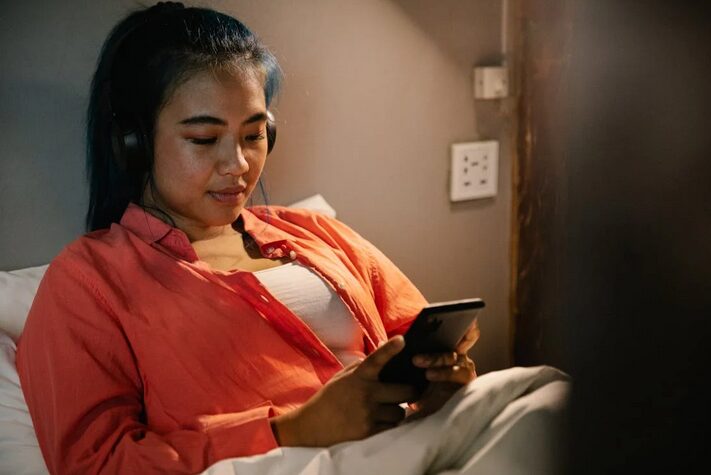
You’re watching Netflix. Your phone buzzes with a coupon for pizza. Coincidence? Maybe. But probably not. Today’s tech doesn’t just serve, it watches. And what feels like convenience is sometimes thinly veiled surveillance. Behind the apps and icons are tools quietly observing, storing, and analyzing your every move. Let’s talk about the unsettling stuff happening right under your nose.
Your Location Is Rarely Private
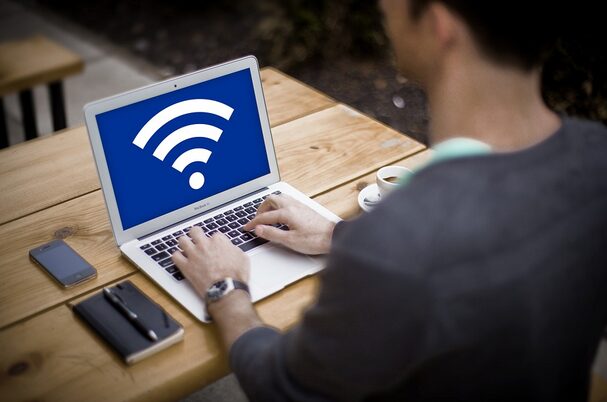 You turned off the GPS. Great. But that doesn’t mean your location is invisible. Apps and services often use Wi-Fi networks, Bluetooth signals, and even motion sensors to estimate your position. Some apps continue collecting this data even when closed. Others bury the permission deep in your settings, banking on the fact that most people never dig that far. Worse? Some of this data gets sold to advertisers, city planners, and companies you’ve never heard of. Your phone knows where you’ve been and who you might’ve been near.
Your Microphone Is Eavesdropping at Times
Say “Hey Siri” or “OK Google,” and your device perks up instantly. That means your mic is always listening, waiting for its cue. In theory, it only stores what it hears after being triggered. But users have reported ads showing up after casual conversations. Coincidence or something spookier? Even if it’s technically legal, it still feels creepy. You never gave consent to talk about dog food one time, and then have every browser tab suddenly push kibble deals.
Smart Home Devices Aren’t Just Helping
Your smart speaker hears when you speak. Your smart fridge might track how often the door opens. Even your smart TV can log viewing habits and push you toward certain shows. These devices often collect behavioral data under the label of “performance monitoring.” That’s a fancy way of saying they’re watching how you live.
Photos Reveal More Than Smiles
 Snapping selfies? Each image contains metadata, details like location, time, device used, and more. It’s called EXIF data, and most people have no clue it exists. Share a photo, and you might unknowingly be handing someone your exact coordinates at the time it was taken. Unless you manually strip that data or adjust settings, your pictures are carrying baggage you didn’t mean to pack.
Your Typing Habits Can Be Tracked Too
Some keyboards, apps, and analytics software can track your typing rhythm, pressure, and speed. This data builds a profile, useful for security, maybe. But also a bit invasive. It creates a digital fingerprint that’s hard to fake or erase. And once it’s tied to you, it’s another layer of tracking you probably never agreed to explicitly.
You don’t need to wrap your phone in foil. But you do need to stop pretending your devices are innocent. They remember more than they should, often without asking nicely. Awareness is your first defense. Go through your settings. Question every permission. Disable what doesn’t serve you. Because your devices might be smart, but that doesn’t mean they have to be this nosy.